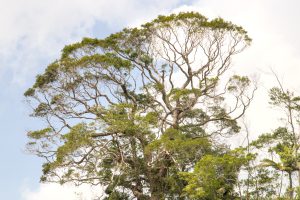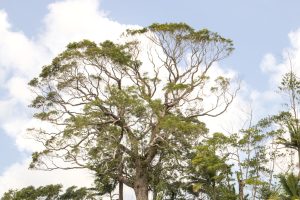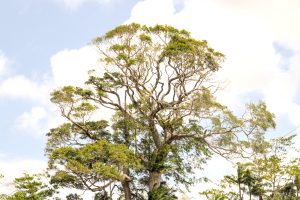

Picked up early (7 a.m.) by van, we're off to the Daintree Forest. A beautiful drive along the coast to Port Douglas, about an hour's drive on a winding road.
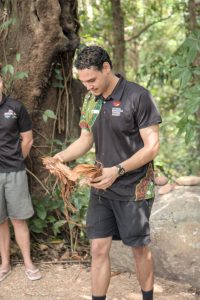
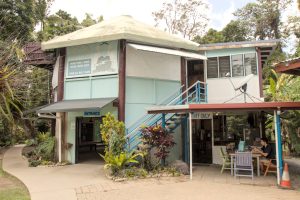
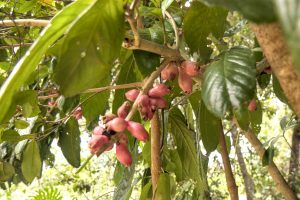
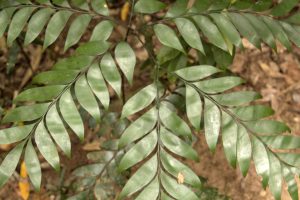
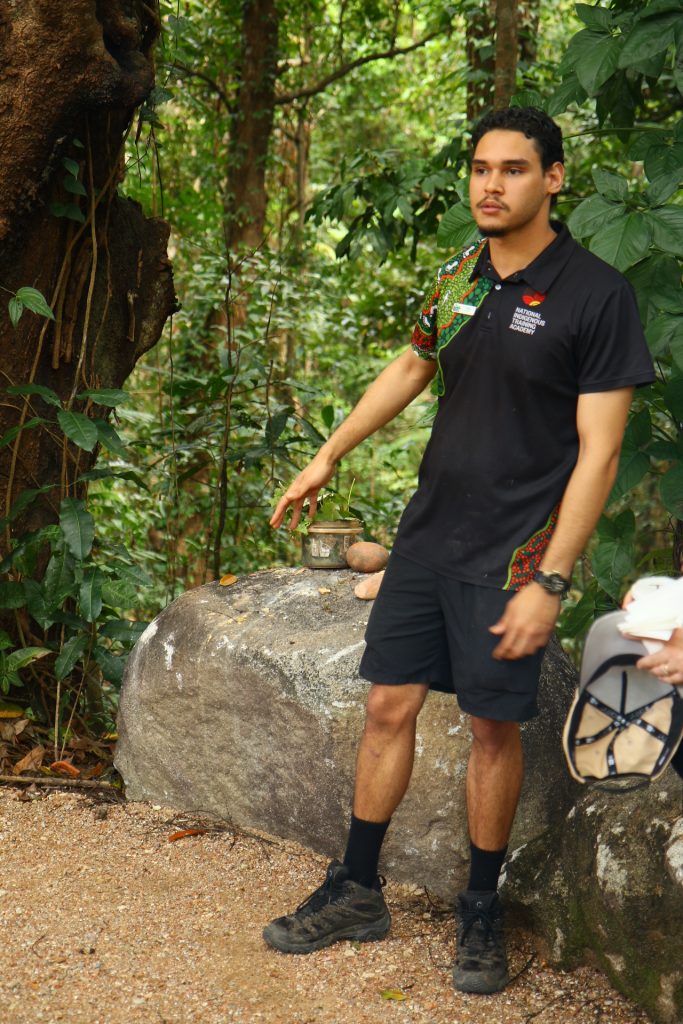
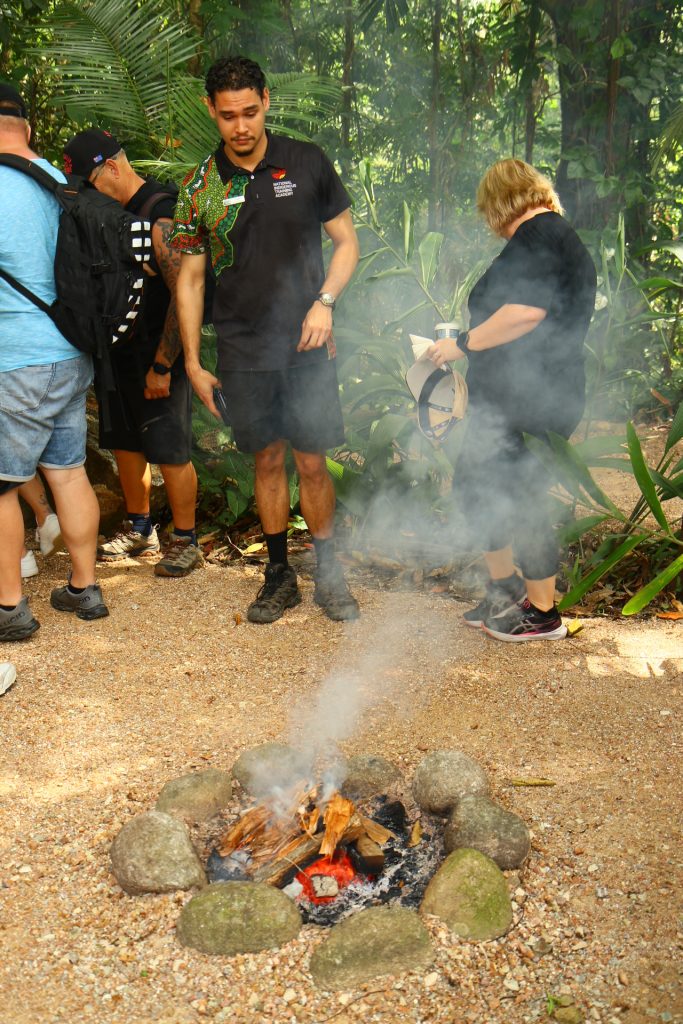
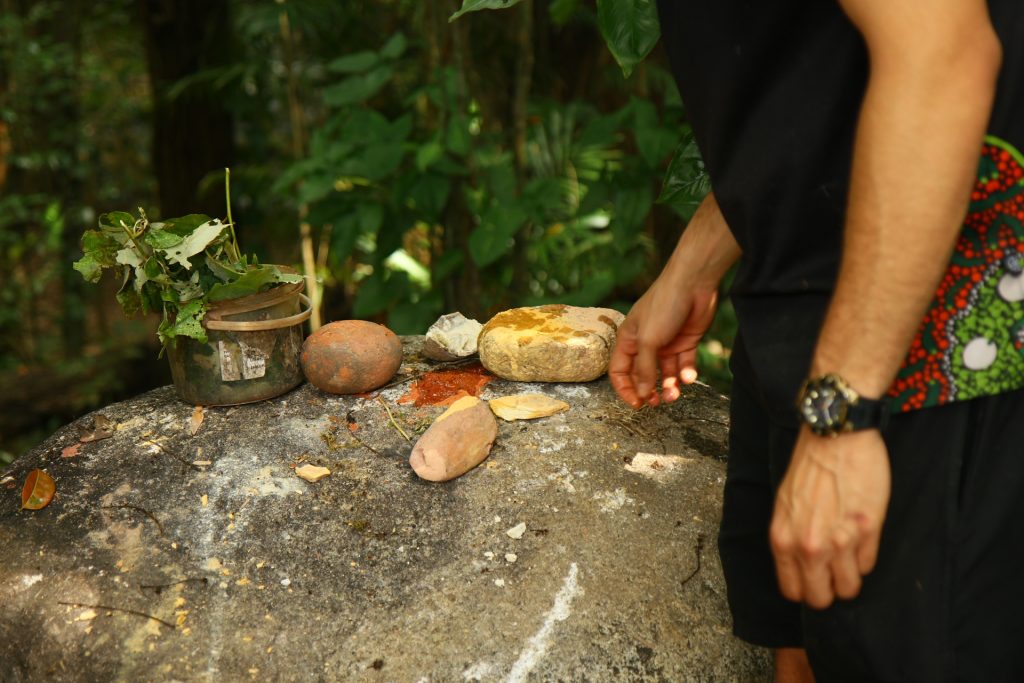
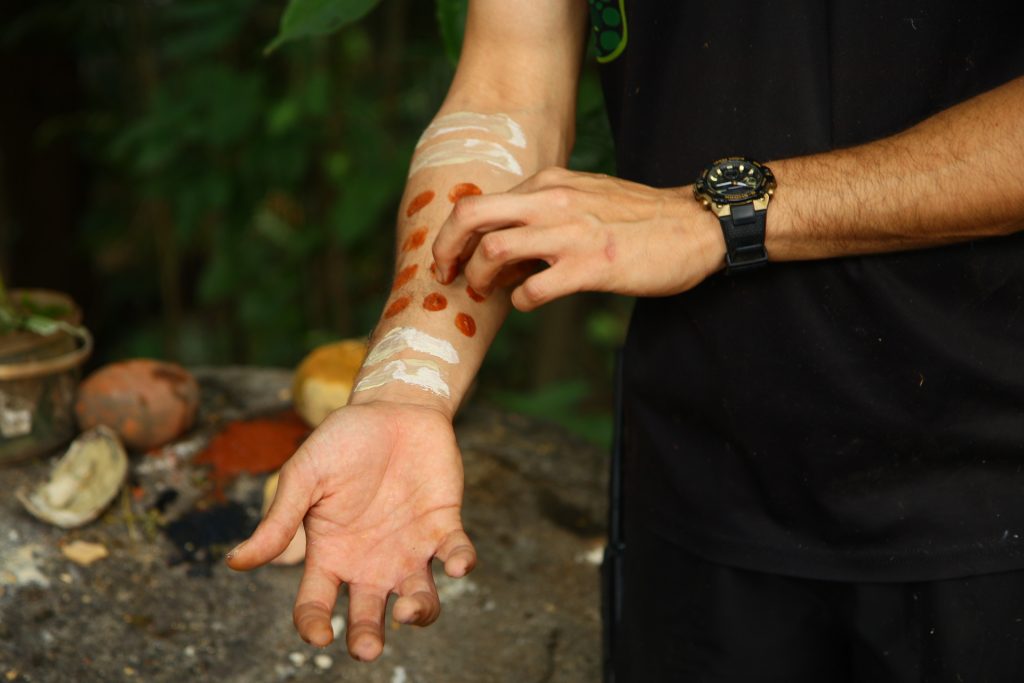
Upon arriving at the visitor center, we first had to undergo a smoking ceremony. A local Aboriginal man led us through the smoke, as a sign of welcome and belonging. He then explained his tribal customs, such as painting his body with tribal and personal totem symbols. He also discussed useful and medicinal plants from the forest, such as leaves that yield soap when rubbed.
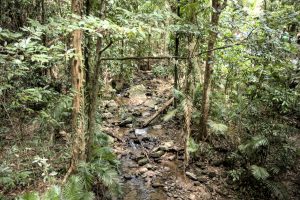
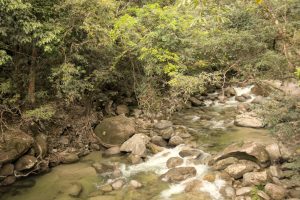
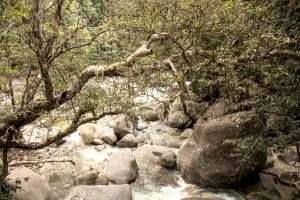
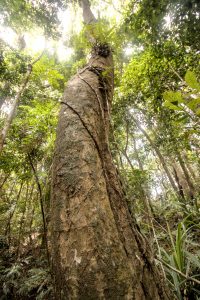
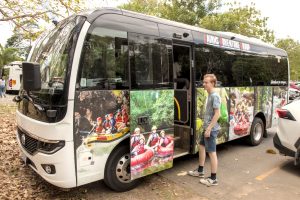
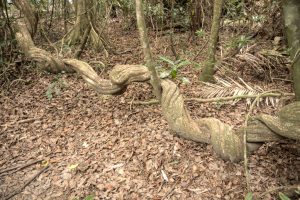
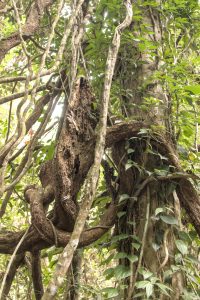
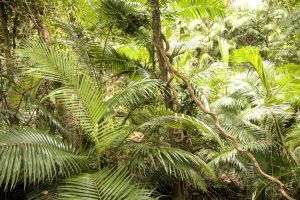
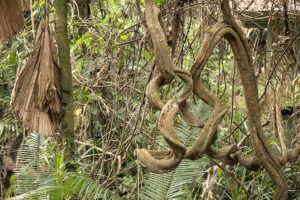
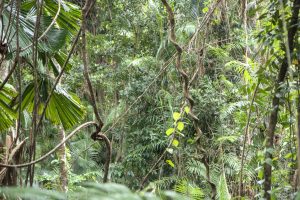
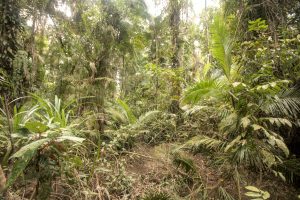
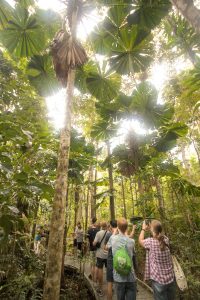
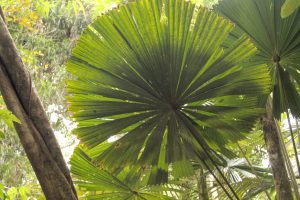
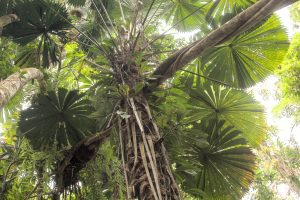
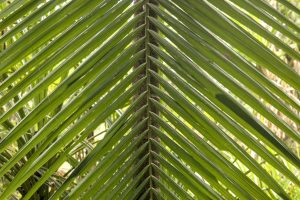
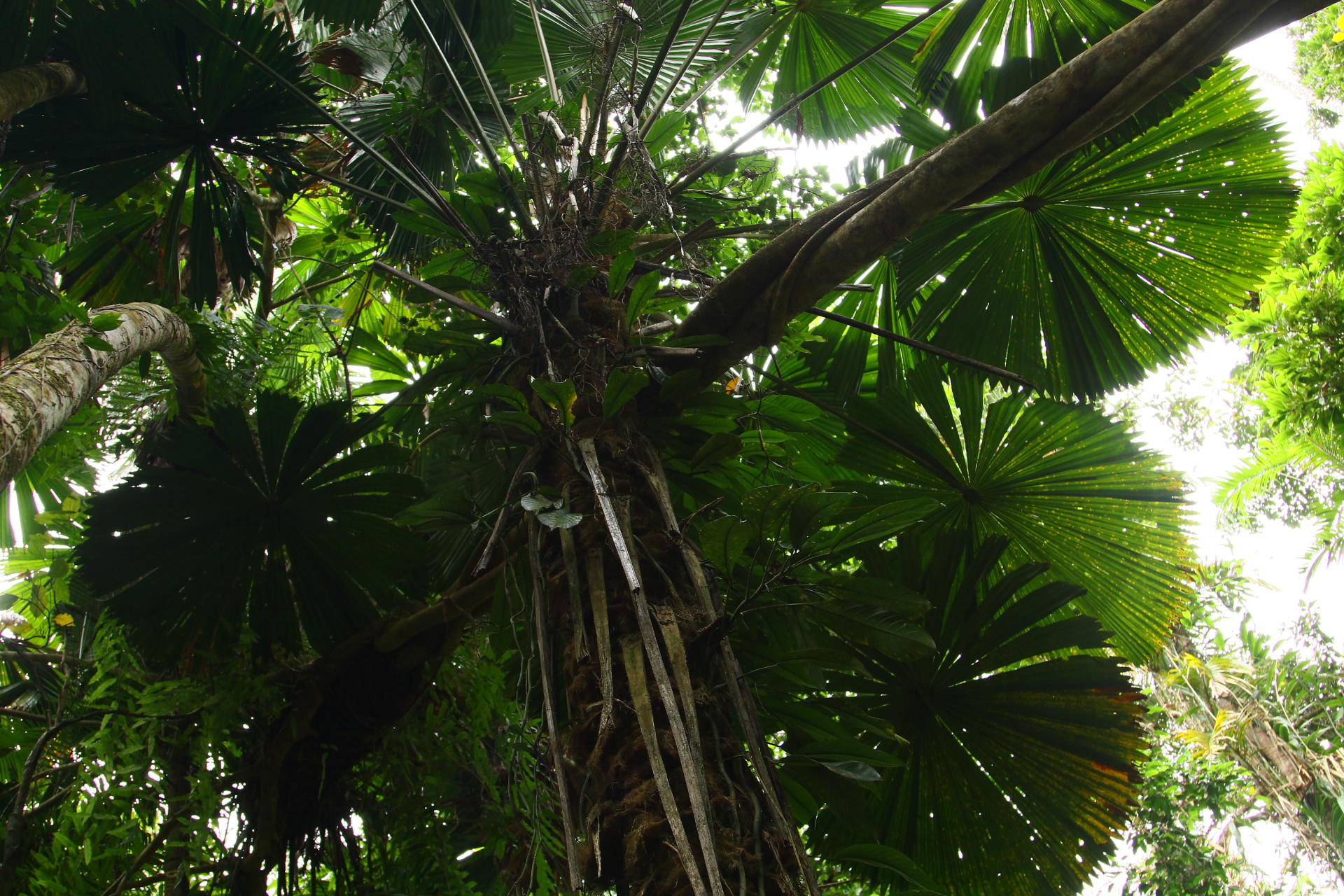
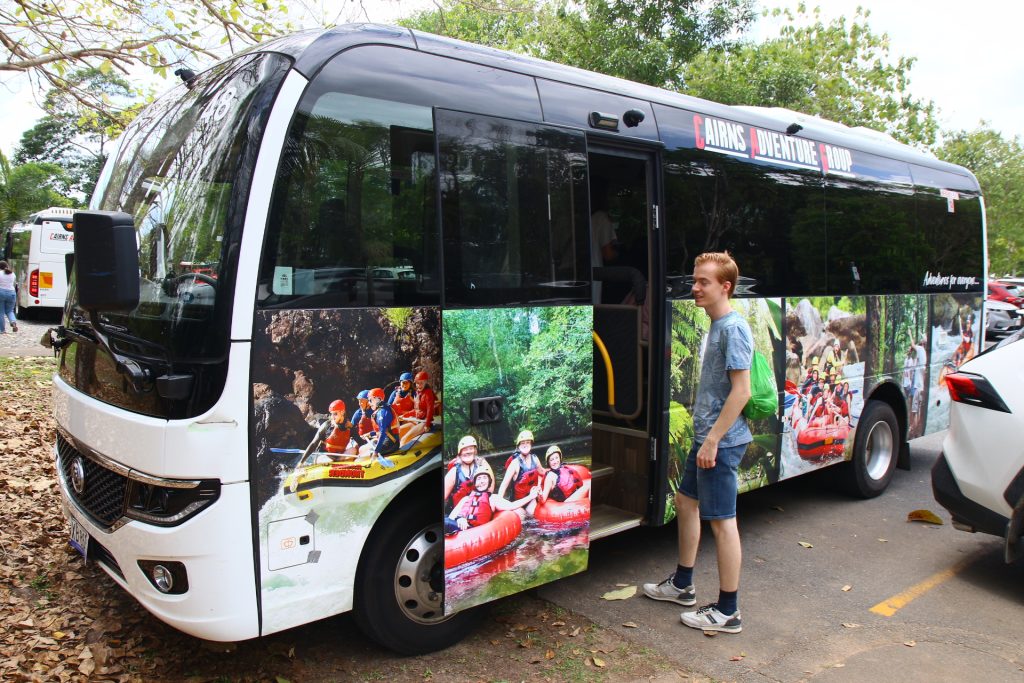
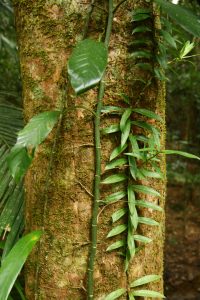
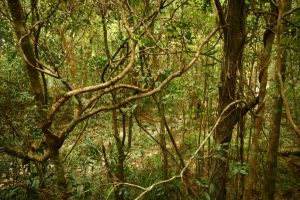
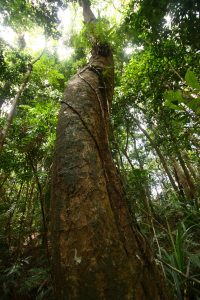
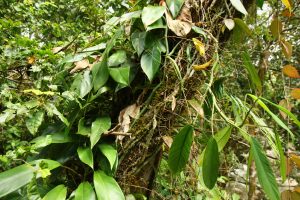
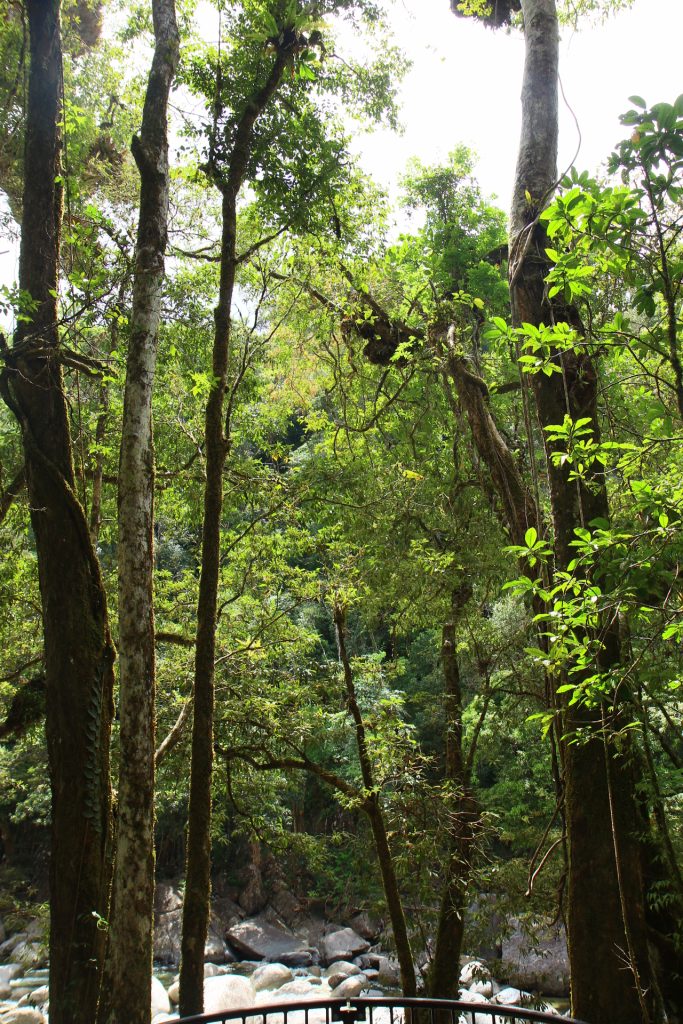
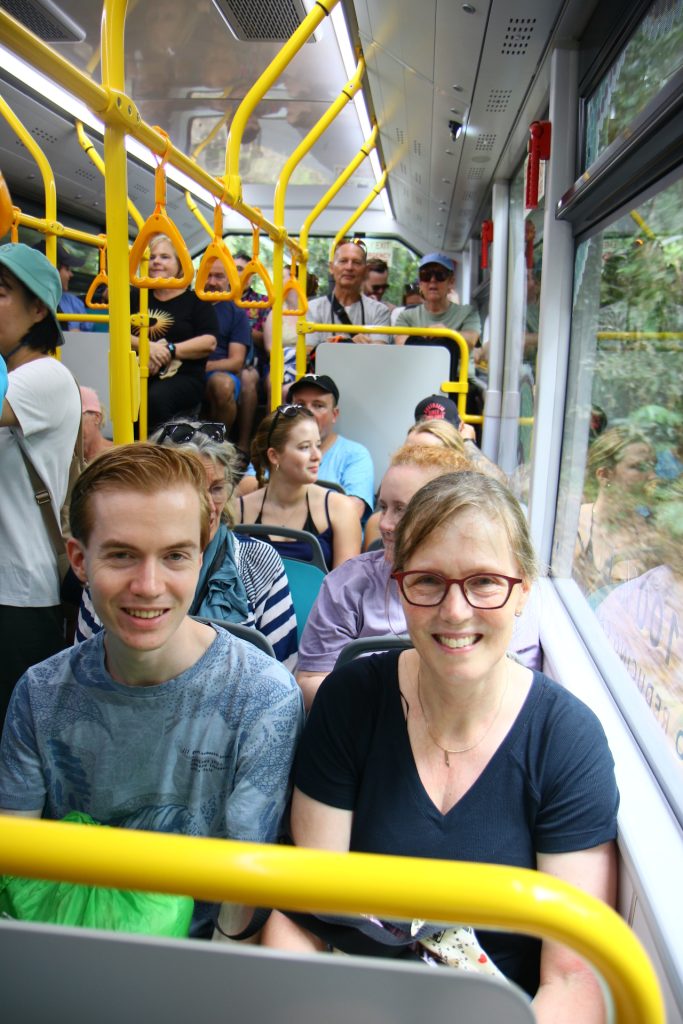
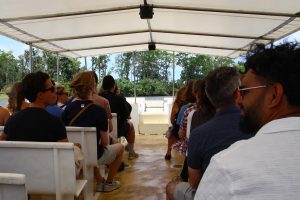
Then we took an electric bus into the forest, where we could follow a path. That pass is also necessary, because in the rainforest you can barely go two meters, it's so dense. Plants abound, growing and meandering over and over each other.
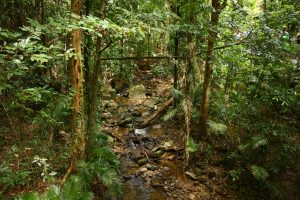
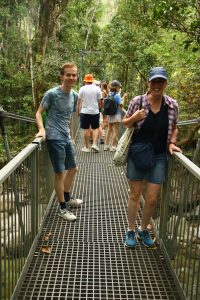
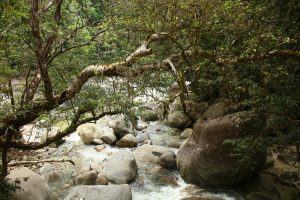
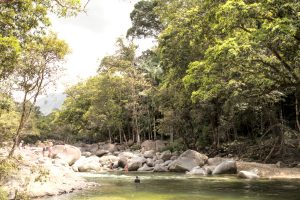
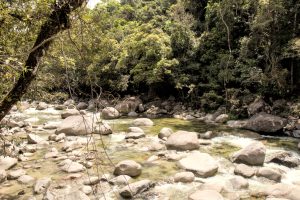
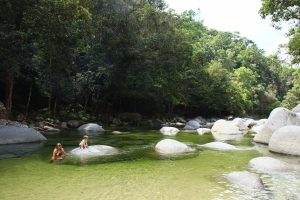
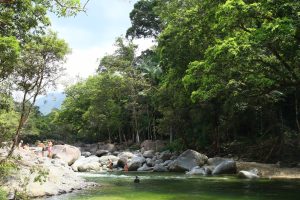
Halfway there, we were able to swim. A refreshing dip in the river, far enough upstream to avoid being bitten by a saltwater crocodile.
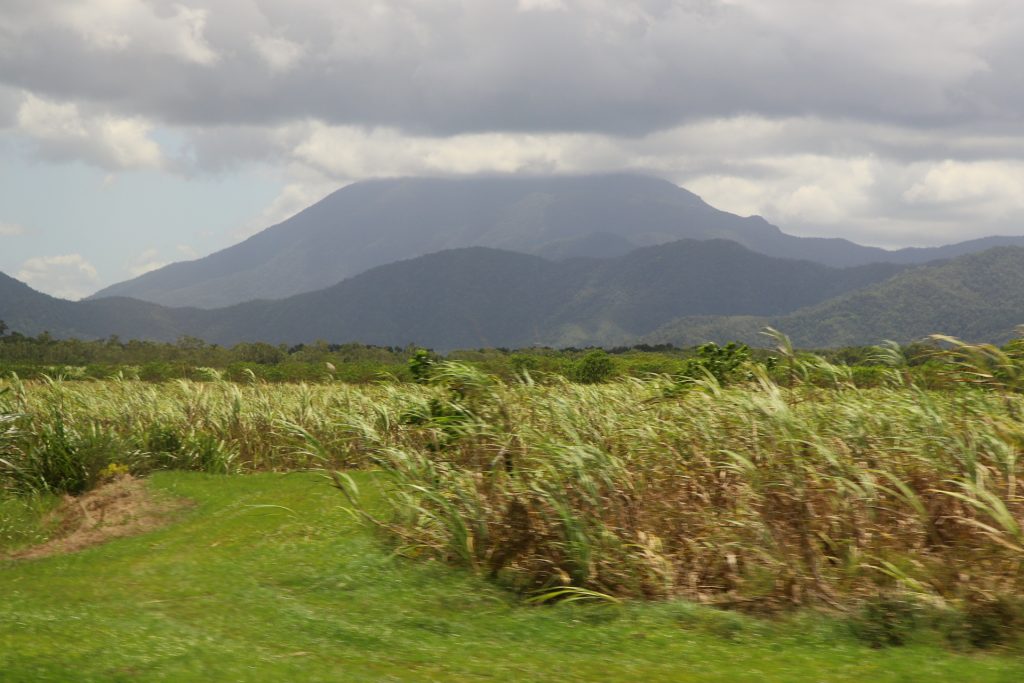
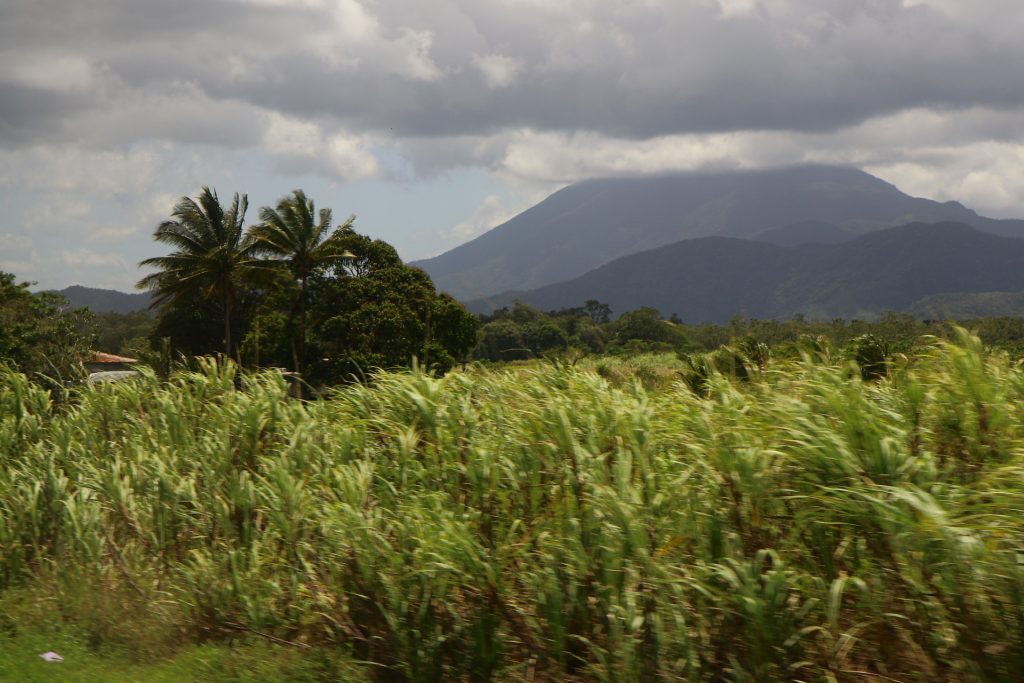
Our guide, Sambo, from Finland, kept pushing. On the bus, we learned all sorts of facts about sugarcane, tree kangaroos, the cane toad, crocodiles…
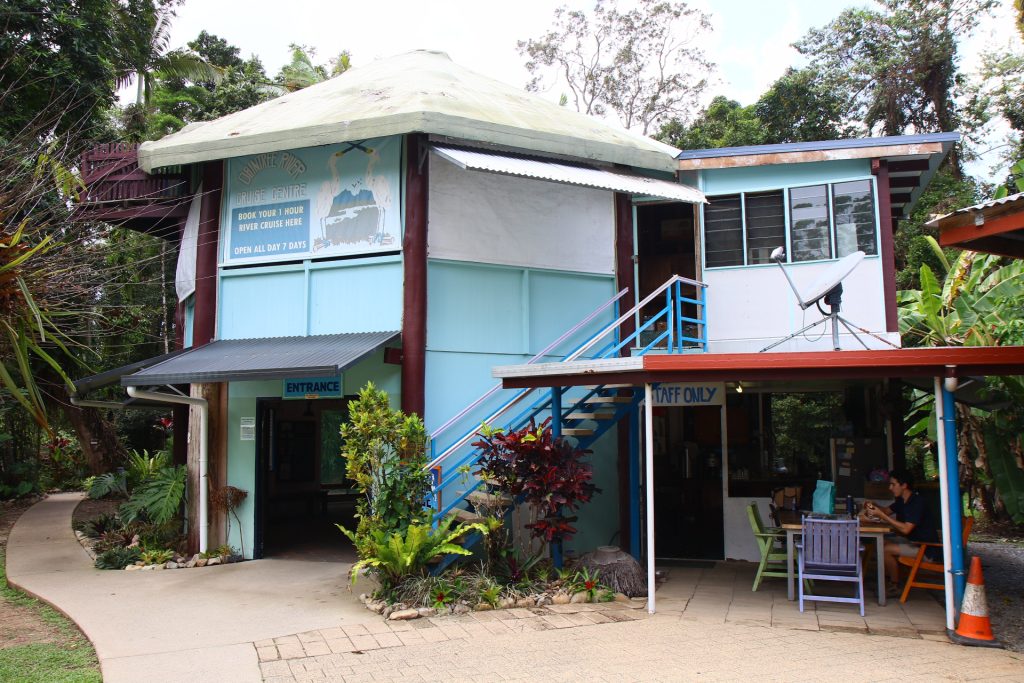
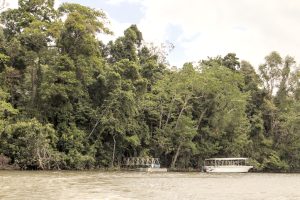
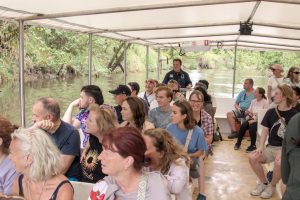
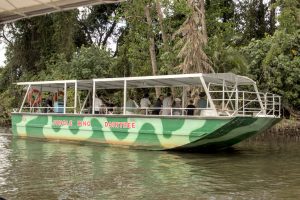
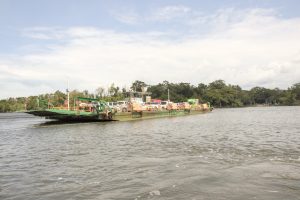
After a drink of homemade tea (from the tea fields here), we headed back to the boat to watch the crocodiles. If they show up, of course.
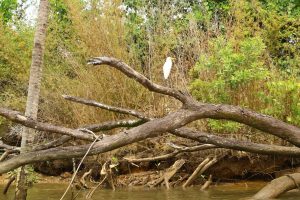
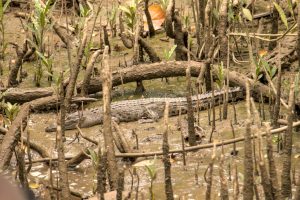
First I saw a baby, then a medium-sized one, about two meters long. He lay there very quietly, but when the boat got closer, he jumped up, which gave all the tourists a good fright.
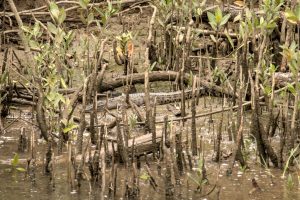
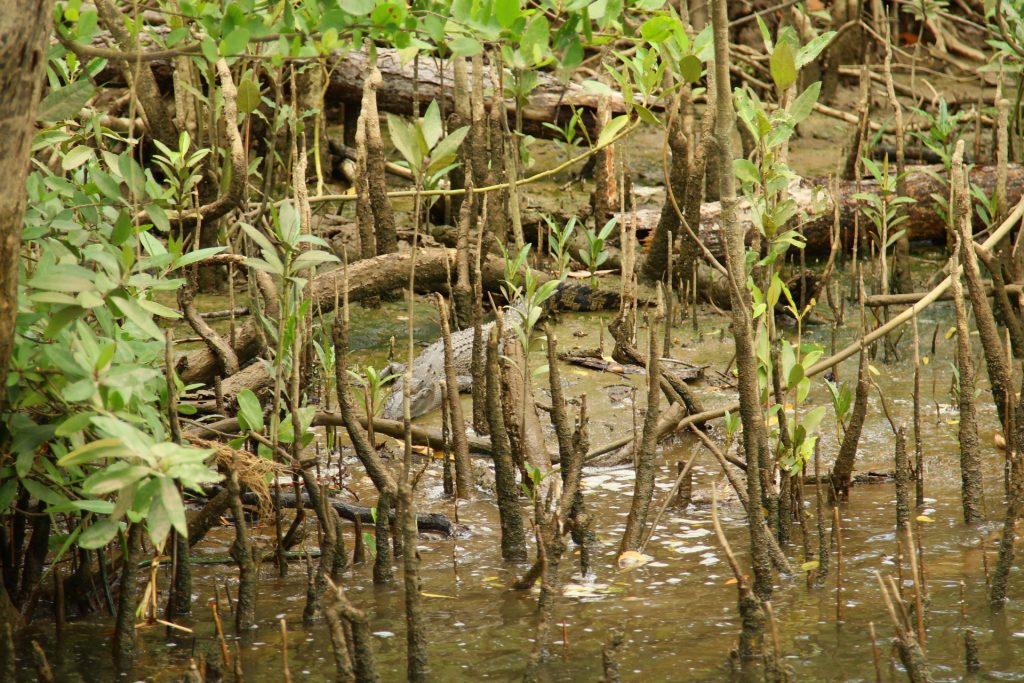
The really big ones (6m+) weren't visible today. It rained last night, and at high tide they stay underwater. In the morning, they sometimes catch a wild boar, which they drown first and then take to a tributary to eat. Here's a bigger crocodile:
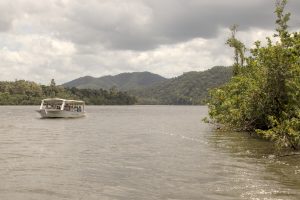
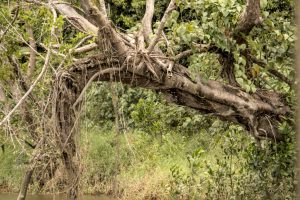
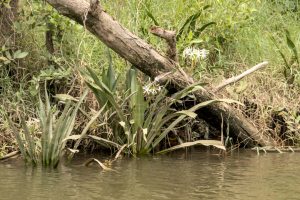
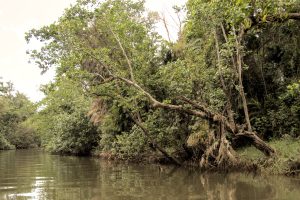
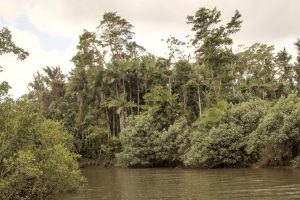
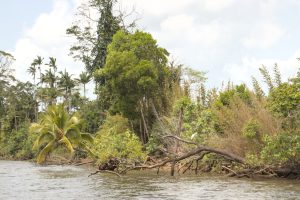
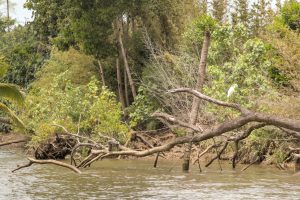
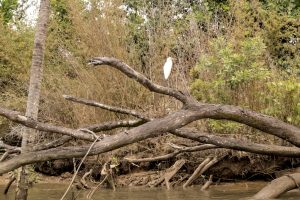
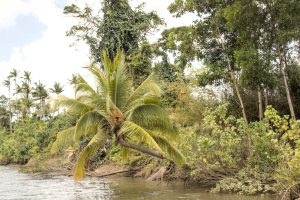
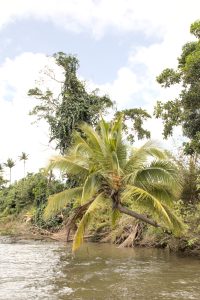
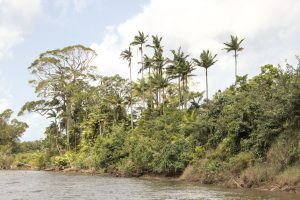
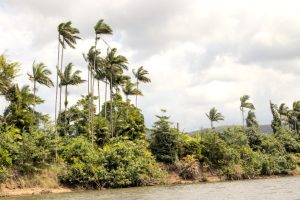
Beautiful surroundings along the river.
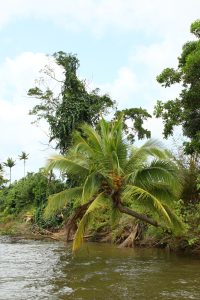
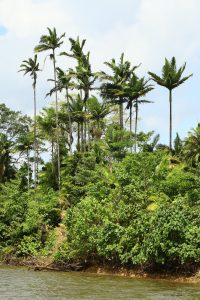
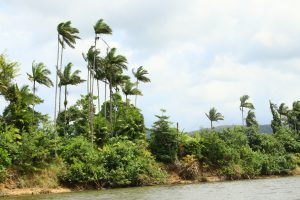
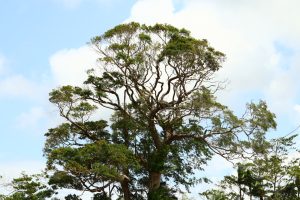
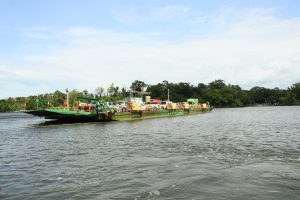
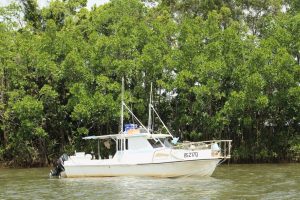
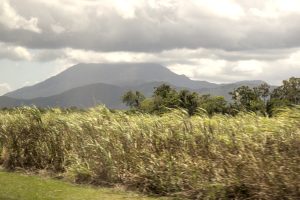
Then a long, winding mountain drive through the forest. The forest is a World Heritage site and almost completely devoid of people.
This area is also home to the Cassio-Ostrich, a type of ostrich that's also dangerous, as it can kick with its feet. And a blue butterfly, which can fly very fast, so fast that we didn't see it.
Lunch, with wraps and nachos, at a rest area in the forest.
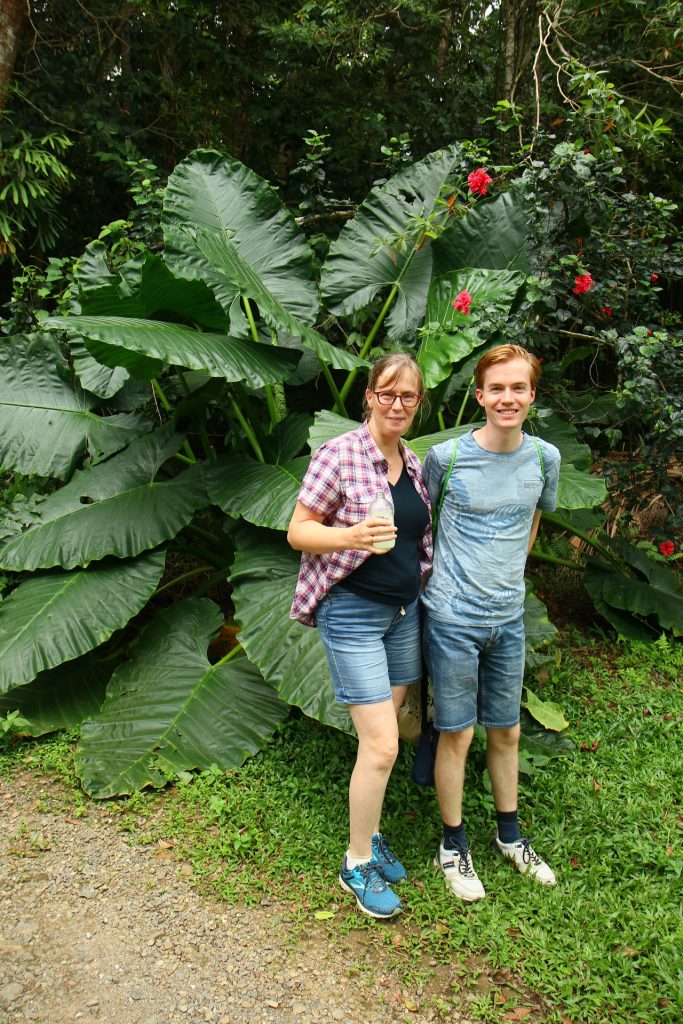
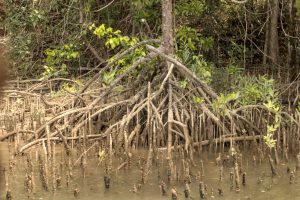
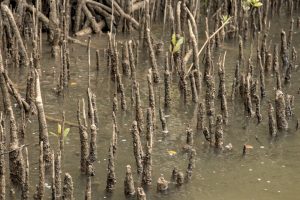
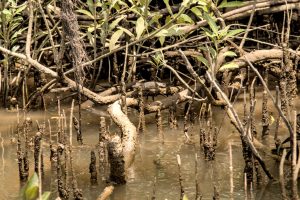
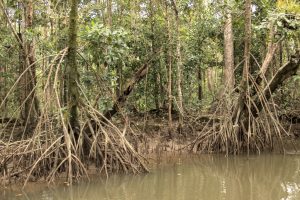
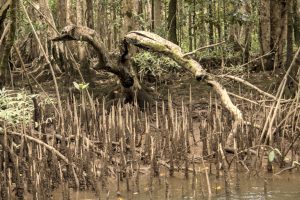
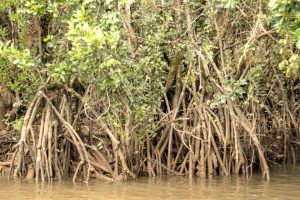
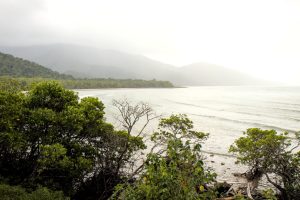
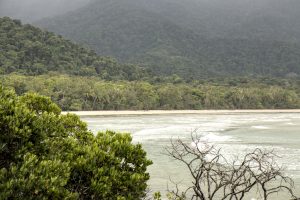
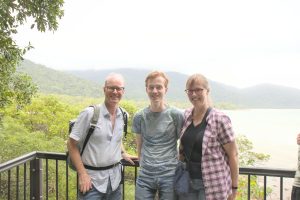
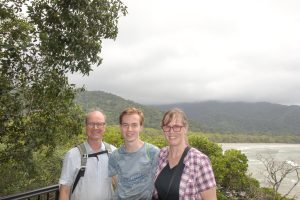
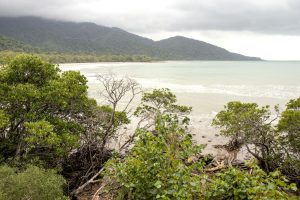
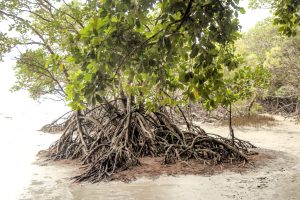
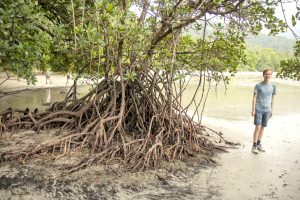
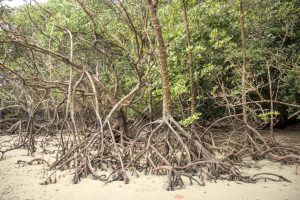
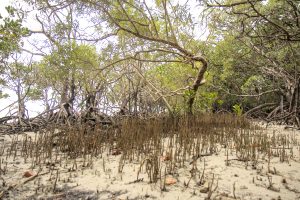
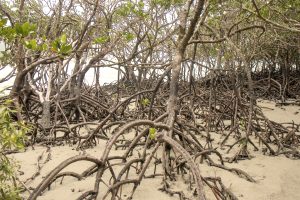
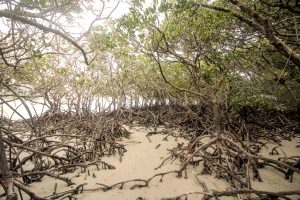
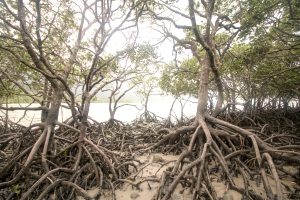
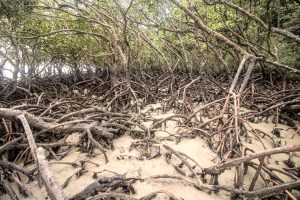
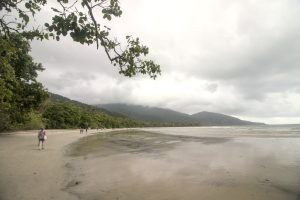
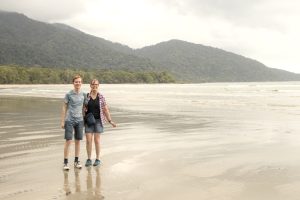
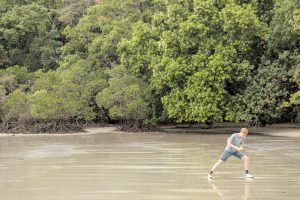
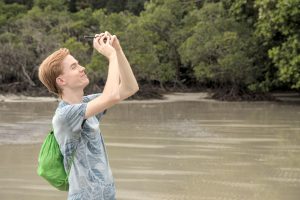
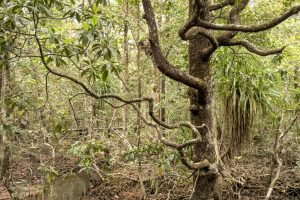
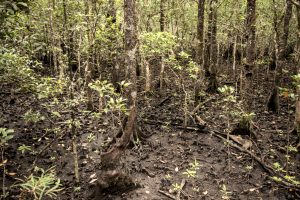
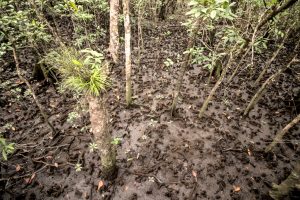
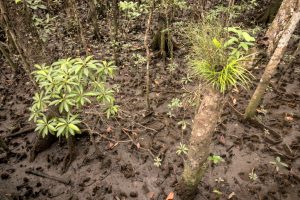
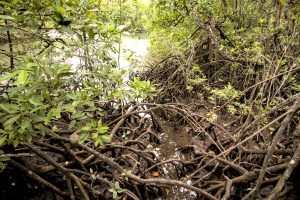
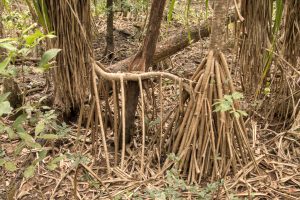
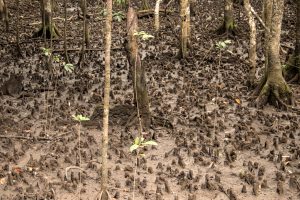
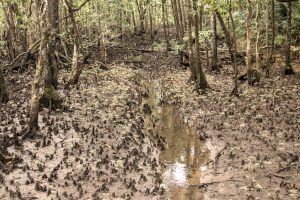
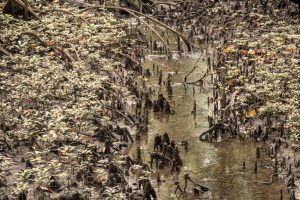
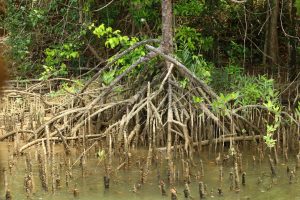
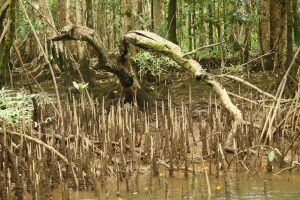
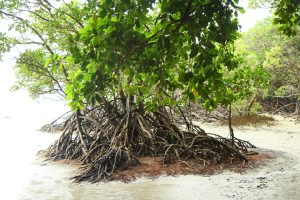
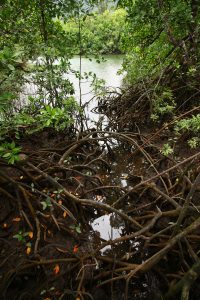
Then on to Cape Tribulation, with its beautiful coastline. The rainforest borders the beach. Along the coast are mangrove forests, their roots penetrating the ground everywhere. A magnificent sight.
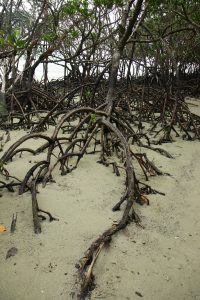
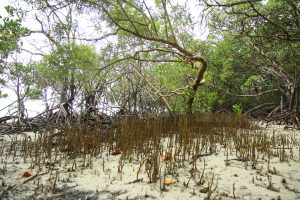
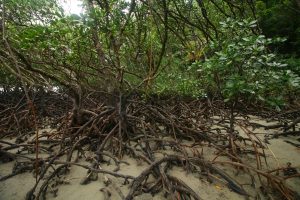
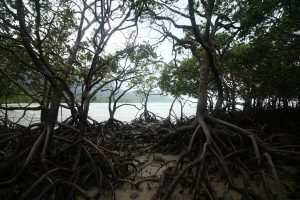
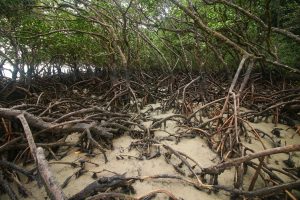
Great beaches too, just not for swimming, or you'll become crocodile food. The crocs are usually in the estuary, but that's usually the case. Sometimes they also swim across the sea to a neighboring river. And if they see something tasty, they'll snap it up, hungry or not.
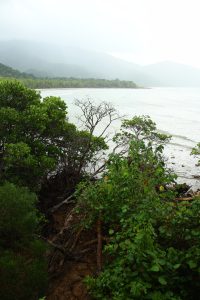
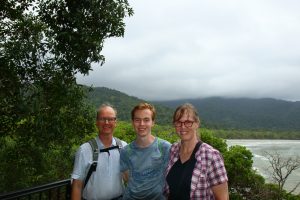
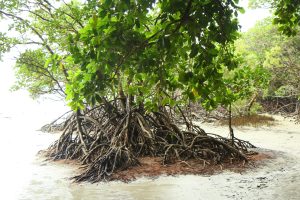
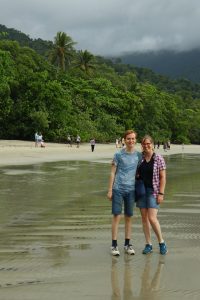
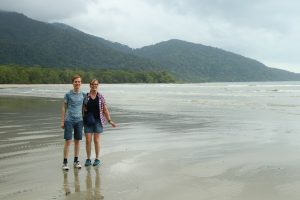
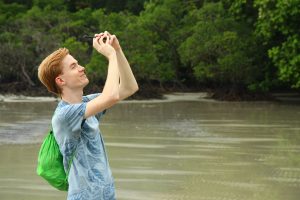
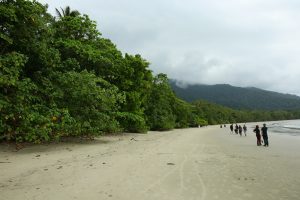
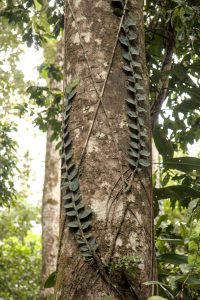
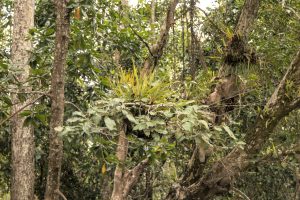
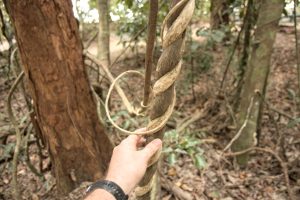
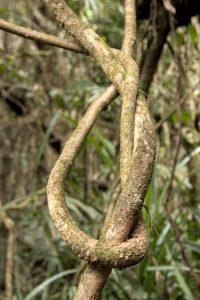
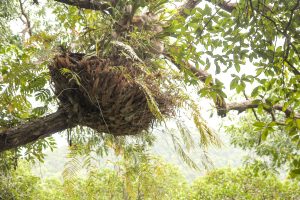
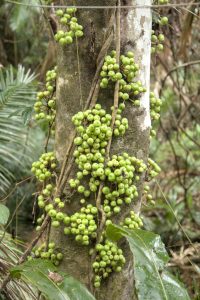
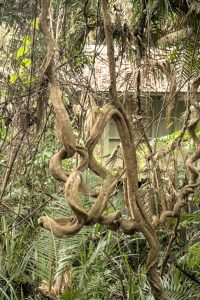
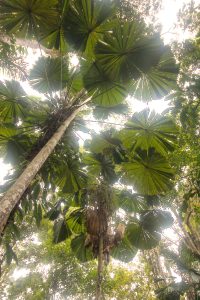
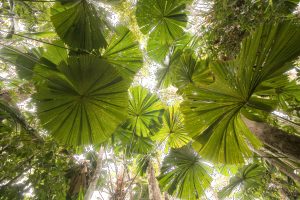
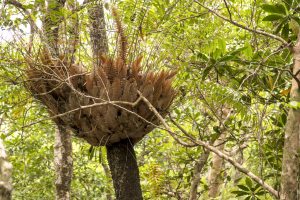
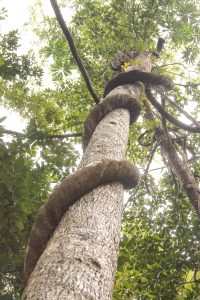
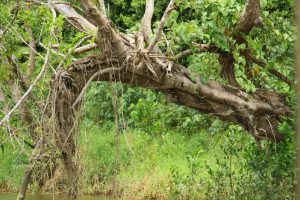
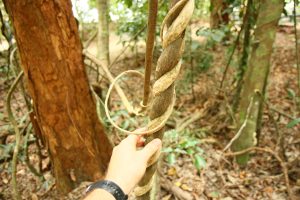
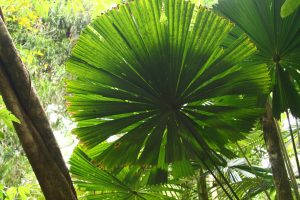
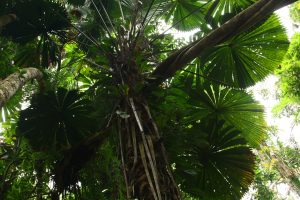
Then a short walk through the forest with the guide. He talked about the struggle for light; every plant wants to reach the top, even if it has to be by parasitizing. Climbing up another, pulling another down with hooked wires, starting halfway up without roots, and so on.
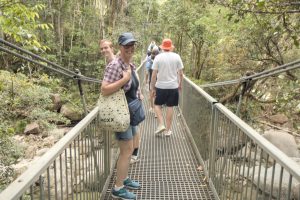
I also walked through a mangrove area with sandflies. Luckily, it was a meter above the ground on a walkway because it floods regularly here.
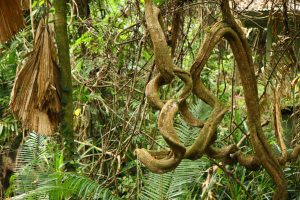
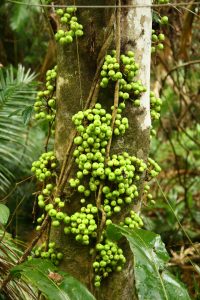
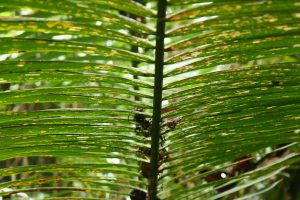
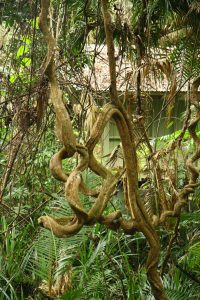
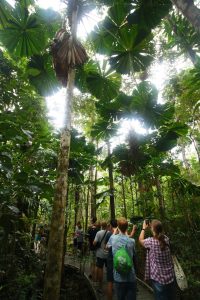
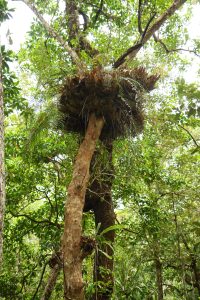
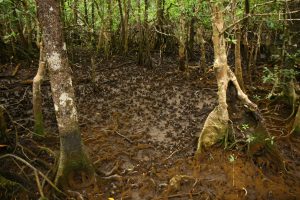
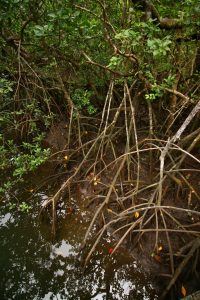
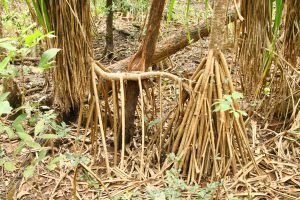
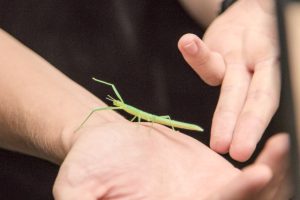
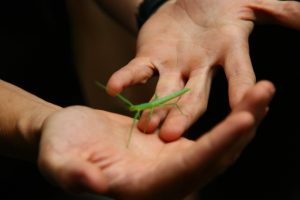
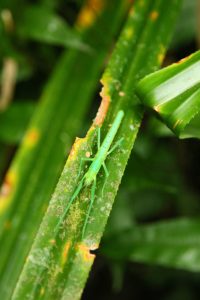
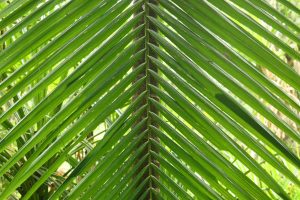
Saw a kind of walking stick insect; a few people in the group let it walk on their hands. Further on through the jungle; sometimes you don't know where to look here, the vegetation is so dense.
At the end of the afternoon, we enjoyed an ice cream, all made with local fruits. Meanwhile, it started raining heavily—rainforest, you know!
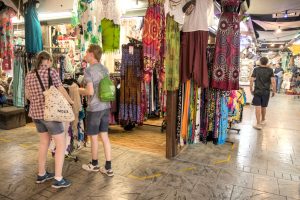
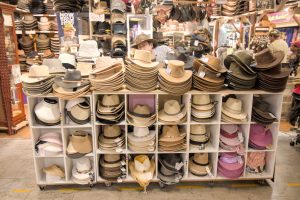
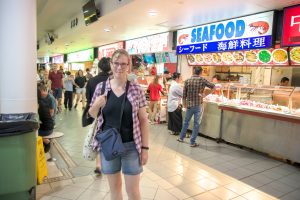
And then back home by bus, in pitch darkness, not a house or streetlight in sight on the bumpy, winding coastal road. Hopefully, no kangaroo jumps in front of the bus (there are plenty of warning signs, the animals should know better!). An hour later, half the bus passengers were dropped off in Port Douglas. We got off another hour later in Cairns at the evening market, where we grabbed another bowl of curry at the food court to eat at home.
Canon-shots: